Exploring the Treasures of Time: Unveiling Cultural Artifacts in Museums
Have you ever walked into a museum and felt a wave of curiosity wash over you? The hushed whispers of history, the allure of artistic collections, and the vibrant tapestry of cultural artifacts all come alive within the walls of these cultural institutions. Museums are more than just repositories for the past—they are gateways to understanding our shared heritage. In this blog, we will embark on a journey through artistic collections and delve into the richness of museum heritage, uncovering the stories that breathe life into each curated exhibit.
Imagine standing before a canvas painted by a master artist or gazing at a centuries-old artifact that has traveled through time. Cultural displays bring both art and history to life in ways that textbooks cannot. They provide a unique opportunity to experience the emotions and narratives behind every piece. As exhibit curators carefully select items for their historical exhibitions, they craft a narrative that educates and inspires us. Each piece in a museum’s historical collections is like a puzzle piece, revealing part of a larger story we all share.
What if I told you that museums are not just about looking back, but also about looking forward? Many cultural institutions embrace interactive exhibits that invite visitors to engage actively with the content. This evolution enhances our understanding of art and history, allowing us to appreciate the timeless lessons found within. By incorporating educational artifacts into exhibitions, museums foster a deeper connection between visitors and the treasures of the past. Can you recall a time when an interactive display changed your perspective or ignited a passion for history?
Moreover, the importance of preserving history through artistic heritage cannot be understated. When you explore museum resources, you can witness firsthand the dedication and expertise of those who curate these collections. These guardians of our cultural treasures work relentlessly to ensure that future generations can experience the richness of our shared narratives. From ancient pottery to contemporary art displays, the breadth of historical art represented in museums showcases the diversity of human expression and creativity.
So, let’s take a moment to reflect: how can we support our local museums and ensure this richness is a part of our future? Whether it’s visiting heritage exhibitions, volunteering, or simply sharing your experiences with others, every effort counts. As you navigate your next museum visit, I encourage you to ask questions and seek connections within the artistic collections. Remember, museums don’t just hold our past; they help shape our future. After all, the treasures of time are waiting to be unearthed, one cultural artifact at a time.
From Interactive Exhibits to Preserved History: Engaging with Cultural Artifacts
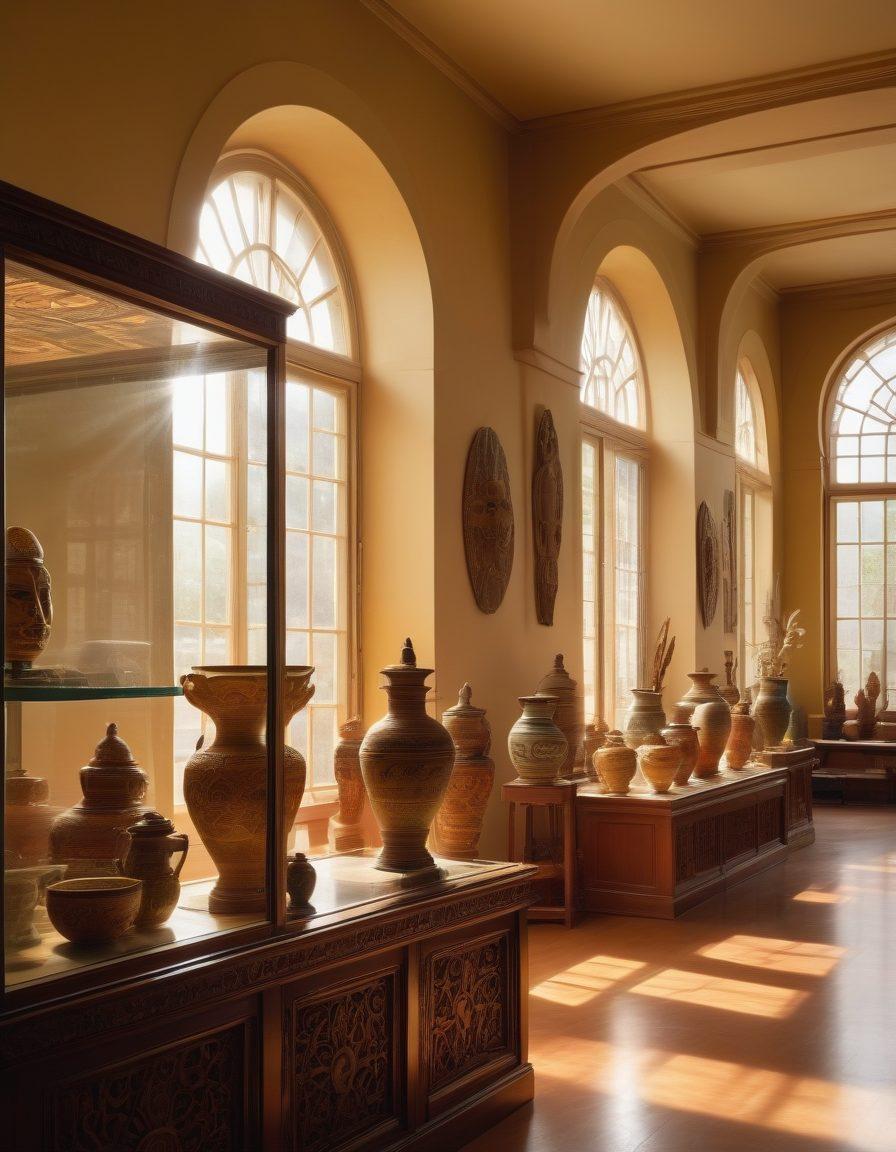
Imagine walking into a grand hall filled with precious relics of the past, each telling a story more provocative than the last. This is the magic that cultural artifacts bring to life in museums around the globe. From ancient pottery to stunning paintings, these museum resources breathe life into history, allowing us to connect with our roots. What if I told you that behind every exhibit is a dedicated team of exhibit curators who spend countless hours ensuring that these treasures are displayed not just to be seen, but to be experienced?
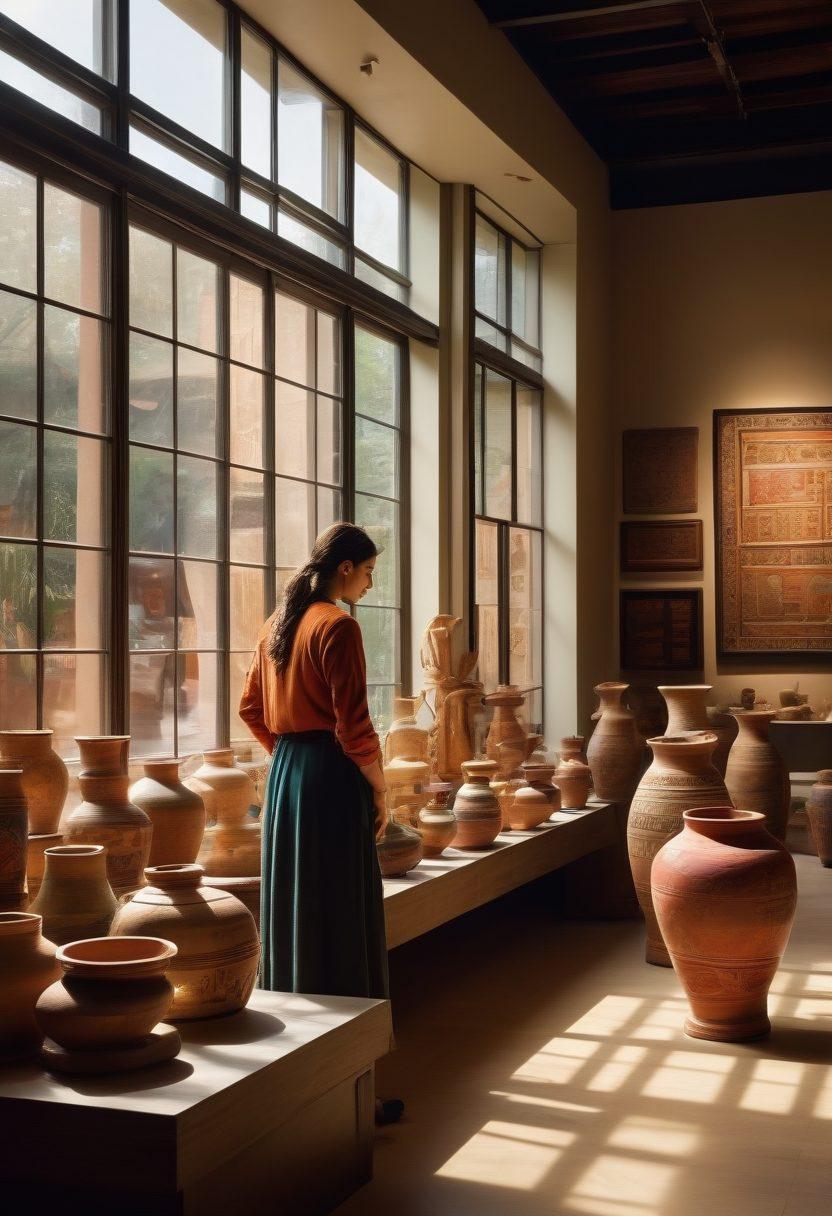
Cultural artifacts serve as windows into our collective past, offering glimpses into the artistic heritage of civilizations long gone. They provoke thought and inspire imagination. Whether it's a richly decorated piece of pottery or an ancient warrior's armor, each object in a museum's historical collections tells a unique story. Have you ever found yourself in an art display, staring at a canvas, only to feel as if you were transported back in time? That's the power of these cultural displays—they engage our senses and invite us to experience history firsthand.
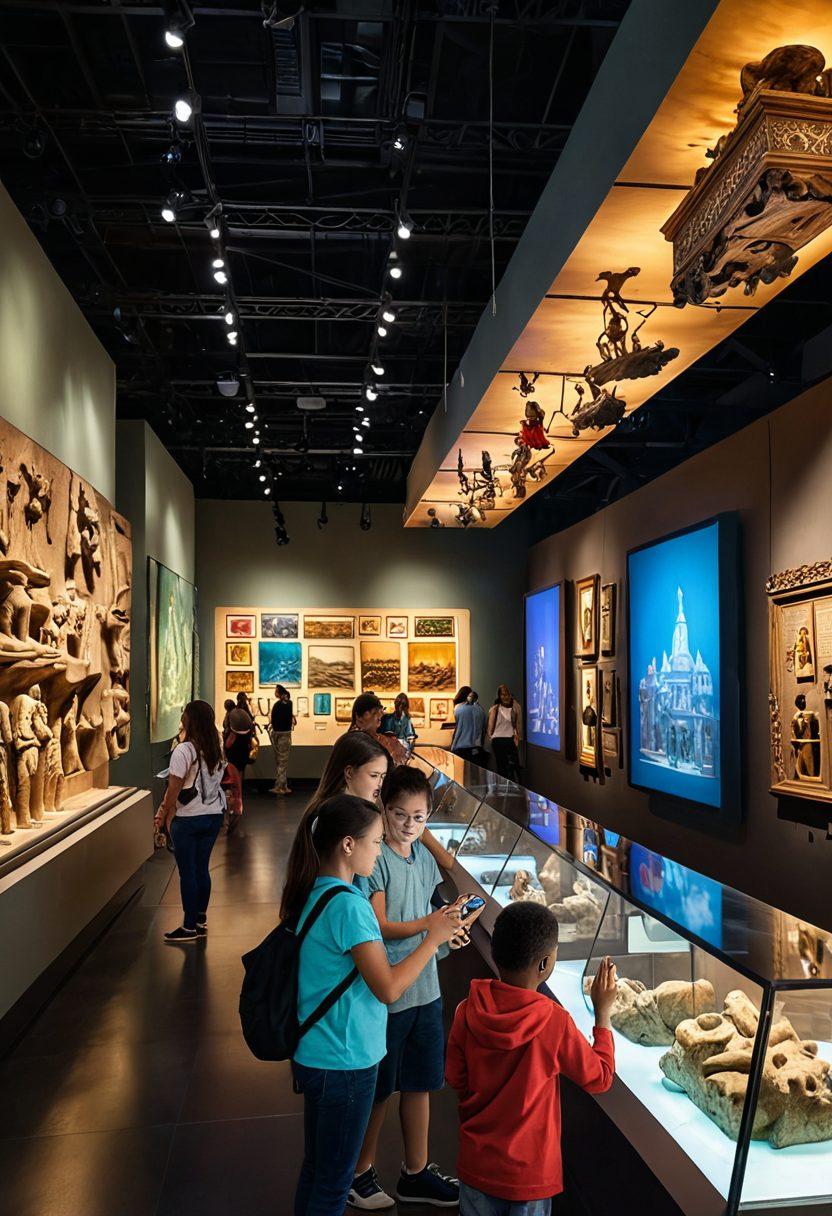
Interactive exhibits are among the most captivating aspects of modern museums. Imagine touching a replica of a historic artifact or stepping into a recreated scene from an ancient civilization. These hands-on experiences deepen our understanding of history in ways that traditional exhibits sometimes cannot. They encourage visitors, both young and old, to ask questions and explore further. How do these educational artifacts shape our perspective on the cultural institutions that house them? They challenge us to rethink how we view history and our roles within it.
Heritage exhibitions take us on a journey through time, connecting us to cultures and traditions that have shaped human experience. Walking through a series of curated exhibits allows us to witness the evolution of art and history through different lenses. Have you ever marveled at how different artists interpret the same historical events? These artistic collections offer insight into diverse perspectives and illuminate the complexity of our shared heritage. As we engage with these cultural collections, we become participants in an ongoing dialogue about our past and future.
So the next time you step into a museum and gaze at its curated artifacts, remember that each piece holds within it a fragment of human history. Ask yourself, what stories do these objects tell? How do they reflect the world we live in today? The treasures of time are waiting to be discovered, inviting us to engage deeply and reflect on our place within the continuum of history. Museums are not just buildings of preserved history; they are living institutions that continue to educate, inspire, and connect us with the art of our past.
A Curator's Insight: The Importance of Cultural Displays in Understanding Our Past
In an age where the digital world often overshadows the tangible, museums continue to be vaunted sanctuaries of knowledge that house some of our most cherished cultural artifacts. Have you ever stepped into a museum and felt the weight of history pressing down on your shoulders? Each curated exhibit tells a story, a narrative woven through time and space that allows us to peek into the lives and experiences of those who came before us. The importance of these cultural displays isn’t just about preservation; it’s about the connection we create with our shared heritage and the lessons we can learn from the past.
Cultural institutions serve as the storytellers of our age, breathing life into historical collections that may otherwise gather dust in the forgotten corners of history. Think of your favorite museum; what do you remember most? Was it an intricate tapestry, a beautifully preserved ancient artifact, or perhaps an interactive exhibit that made history come alive? Museum resources, including art displays and heritage exhibitions, foster a deeper understanding of our world. By engaging with curated exhibits, we gain insights into artistic heritage and social evolution, making the past accessible and relevant in ways that textbooks simply cannot achieve.
Imagine wandering through a room filled with faces—historical art that seems to whisper secrets of centuries gone by. Each piece, whether a delicate pottery shard or a grand painting, holds its own story and spirit. As exhibit curators meticulously select and arrange these pieces into their respective cultural collections, they do more than just display art and history; they connect us to a collective past. On the other hand, have you ever stopped to ponder about the journey of these educational artifacts? From their origins to their preservation, the story of a cultural artifact is as rich as the artifact itself, and engaging with these stories nurtures appreciation and respect for our shared heritage.
In today’s world, where much of our conversation and comprehension occurs via screens, physical engagement with historical exhibitions often sparks a light of curiosity that clicks into overdrive. One of the joys of museums is that they offer paths for exploration; through interactive exhibits, visitors can immerse themselves in historical narratives rather than merely observing from a distance. They can touch, listen, and sometimes even smell as they step into the shoes of those who came before them. By making the past accessible, museums not only preserve history, but they also invite a new generation to connect with cultural displays in a personal and resonant way.
Ultimately, the question we must ask ourselves is: Why does this matter? By understanding the importance of artistic collections and historical artifacts, we equip ourselves with the knowledge to appreciate our roots and better navigate our future. Curated exhibits are not simply displays; they are conversations with the past, ushered into the present, inviting us to become participants in a continuous narrative. So the next time you visit a museum, reflect on the treasures of time that surround you. What whispers of the past are waiting for you to discover?